The Emergence of Neuroeducation: Bridging Neuroscience and Classroom Practice
Discover how the intersection of neuroscience and education is transforming teaching methodologies and learning environments through cutting-edge research and innovative practices.
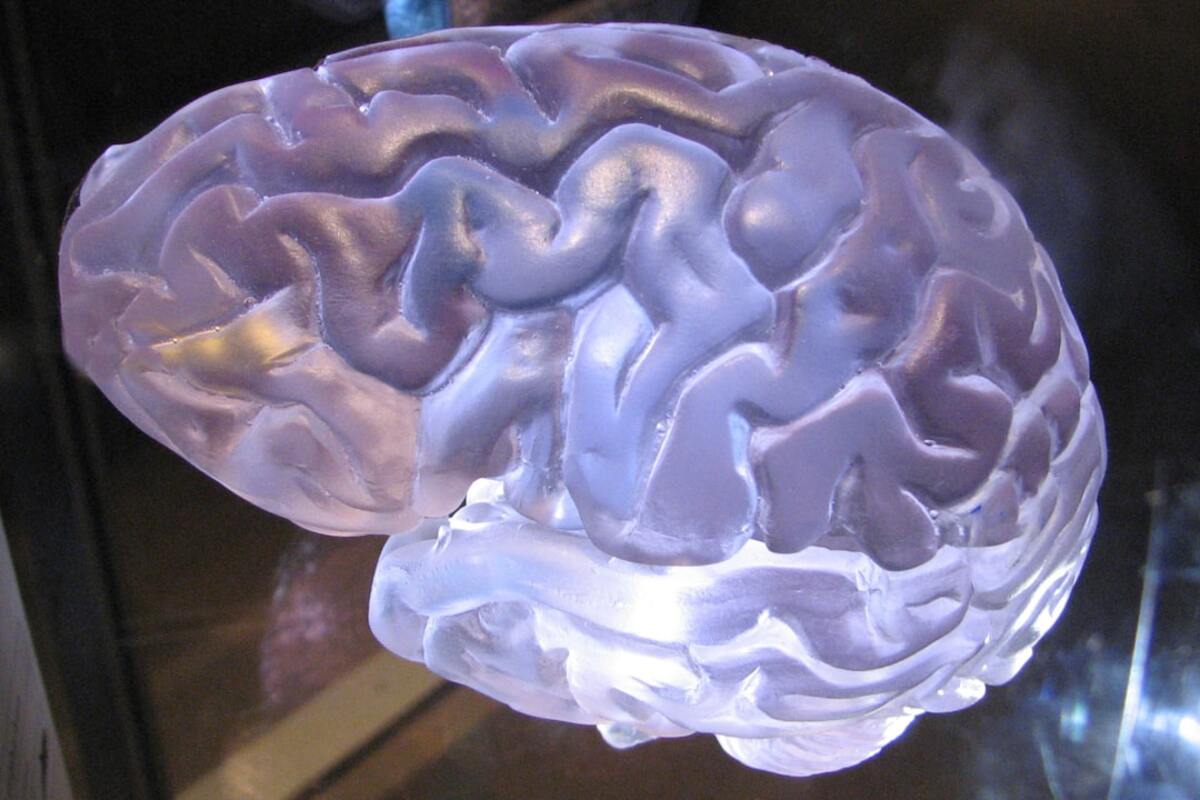
- Neuroeducation integrates brain science with educational practices.
- Understanding brain plasticity aids in developing adaptive learning strategies.
- Teachers benefit from insights into how emotions influence learning.
Understanding Neuroeducation
Neuroeducation, a burgeoning field at the intersection of neuroscience and education, seeks to harness insights from brain research to enhance teaching methodologies and improve student outcomes. By understanding how the brain learns, educators can tailor their approaches to better suit the cognitive and emotional needs of their students. Unlike traditional pedagogical methods, neuroeducation emphasizes the unique neurological processes involved in learning, such as attention, memory, and problem-solving.
Traditionally, educational practices have relied heavily on theoretical and observational approaches. However, the advent of technologies like functional MRI (fMRI) and electroencephalography (EEG) has enabled researchers to observe the brain's activity in real-time, providing unprecedented insights into how learning occurs at a neuronal level. For instance, studies have demonstrated that active engagement in learning tasks stimulates the prefrontal cortex, enhancing cognitive functions associated with critical thinking and decision-making.

The Role of Brain Plasticity
A key concept in neuroeducation is brain plasticity, which refers to the brain's ability to change and adapt in response to new experiences. This malleability is most pronounced in young children but persists throughout life, suggesting that educators can continuously influence cognitive development. By capitalizing on brain plasticity, educators can implement adaptive learning strategies that evolve with the learner's needs. These strategies might include personalized learning plans that adjust content and pace based on the student's progress and cognitive capabilities.
Moreover, understanding plasticity aids in the remediation of learning difficulties. For example, neurofeedback techniques, which involve training individuals to alter their brainwave activity, have shown promise in improving attention spans in children with ADHD. Through continuous feedback and reinforcement, students can develop more efficient neural pathways, enhancing their learning potential.
Emotional Learning and Classroom Dynamics
Beyond cognitive science, neuroeducation also examines the profound impact of emotions on learning. Emotional and social learning (SEL) is integral to the neuroeducational framework, recognizing that emotions are closely tied to cognitive functions like memory and motivation. Stress, anxiety, and negative emotions can hinder synaptic connections, impairing the learning process.
Neuroeducational research supports the implementation of SEL programs in schools to cultivate a positive learning environment. These programs focus on teaching students essential skills such as empathy, resilience, and emotional regulation. By fostering a supportive and inclusive classroom climate, educators can mitigate the adverse effects of stress and anxiety, thereby promoting better educational outcomes.
Furthermore, understanding the neural basis of emotional responses enables teachers to employ strategies that engage the limbic system, the brain's emotional center. Techniques such as storytelling, which activates both emotional and cognitive processes, have been shown to enhance memory retention and comprehension.
Table: Key Differences Between Traditional and Neuroeducation Approaches
| Aspect | Traditional Education | Neuroeducation |
|---|---|---|
| Focus | Theoretical knowledge | Neuroscientific insights |
| Approach | Standardized teaching | Personalized, adaptive learning |
| Assessment | Grades and tests | Continuous feedback |
| Emotional Consideration | Minimal integration | Central to learning |
In conclusion, neuroeducation represents a revolutionary approach to understanding and enhancing the educational process. By integrating neuroscientific research with educational practices, it offers a comprehensive framework for developing more effective teaching strategies that cater to the diverse needs of learners. As the field continues to evolve, educators and researchers alike must collaborate to unlock the full potential of neuroeducation, paving the way for a more informed and adaptive education system.