The Rise of Peer-Led Learning Circles in Adult Education
Peer-led learning circles are transforming adult education by fostering collaborative, community-driven learning experiences.
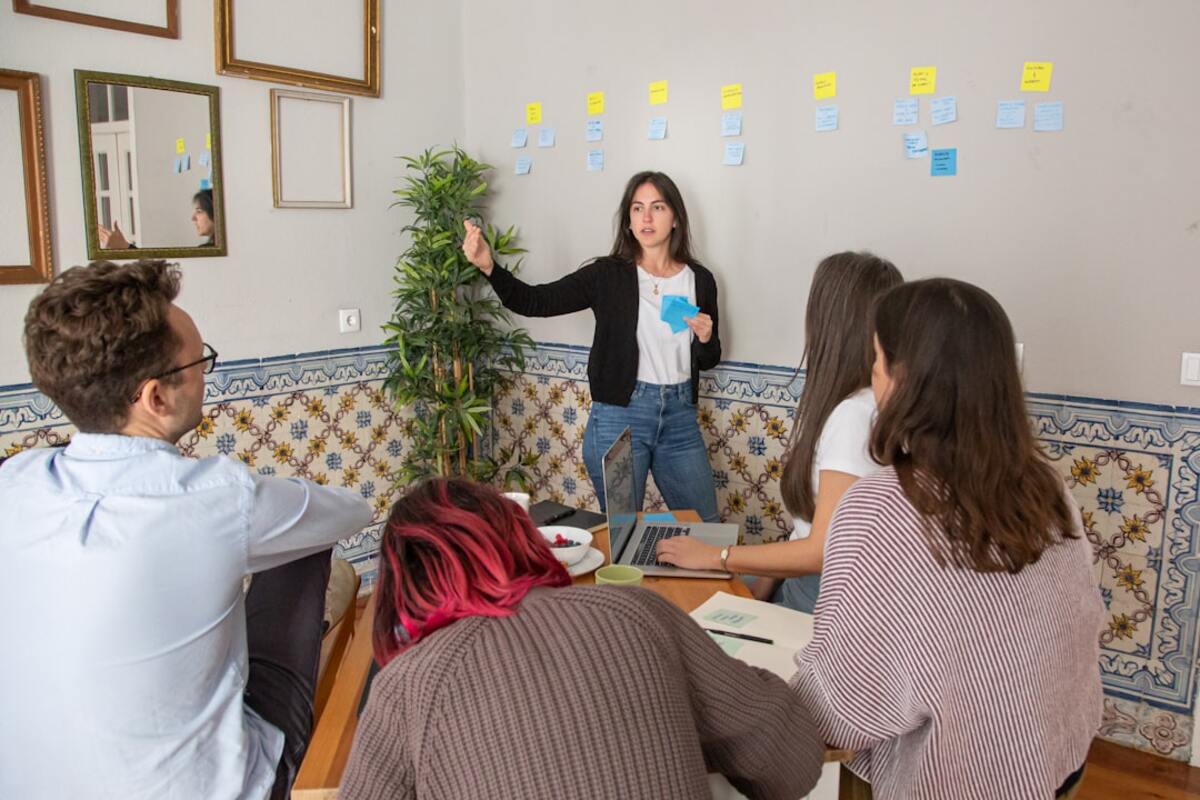
- Peer-led learning circles empower adults to take charge of their educational journeys.
- These circles enhance critical thinking and problem-solving skills through collaboration.
- Inclusion and diversity are central, making education more accessible and equitable.
Understanding Peer-Led Learning Circles
In recent years, peer-led learning circles have emerged as a powerful approach in adult education, emphasizing collaborative learning and community engagement. Unlike traditional classroom settings that often position educators as the primary source of knowledge, peer-led learning circles democratize the learning process. Participants in these circles share their knowledge and experiences, creating a dynamic and interactive environment.
The concept of learning circles is not entirely new. Rooted in the traditions of communal learning, these circles have been utilized in various forms throughout history, from indigenous storytelling practices to modern-day book clubs. However, their application in adult education is a relatively recent phenomenon, driven by the need for more flexible and inclusive educational models.

Benefits of Peer-Led Learning Circles
One of the primary advantages of peer-led learning circles is the empowerment of learners. Adults participating in these circles have the opportunity to take control of their educational journeys, choosing topics of interest and guiding discussions. This autonomy fosters a deeper engagement with the material, as learners are more motivated to explore subjects they are genuinely curious about.
Collaboration is at the heart of peer-led learning circles. By working together, participants can enhance their critical thinking and problem-solving skills. The exchange of diverse perspectives within the group often leads to richer discussions and a more comprehensive understanding of complex topics. Moreover, the collaborative nature of these circles helps to build a sense of community, which can be particularly beneficial for adults who may feel isolated in their educational pursuits.
Inclusion and diversity are central to the success of peer-led learning circles. By bringing together individuals from various backgrounds and experiences, these circles create an environment where all voices are valued and heard. This inclusivity makes education more accessible and equitable, addressing some of the systemic barriers that have traditionally excluded marginalized groups from educational opportunities.
Implementing Peer-Led Learning Circles
For institutions and organizations looking to implement peer-led learning circles, there are several key considerations. First, it is important to provide training and resources for facilitators. While the role of a facilitator in a peer-led circle is less authoritative than that of a traditional instructor, strong facilitation skills are necessary to guide discussions and ensure that all participants have the opportunity to contribute.
Technology can also play a significant role in the success of peer-led learning circles. Online platforms and tools can facilitate communication and collaboration among participants, particularly in geographically dispersed groups. Additionally, digital resources can supplement in-person meetings, providing access to a wealth of information and learning materials.
Finally, ongoing evaluation and feedback are crucial for the continuous improvement of peer-led learning circles. Participants should be encouraged to provide feedback on their experiences, and facilitators should be open to adapting the structure and content to better meet the needs of the group.
In conclusion, peer-led learning circles represent a significant shift in the landscape of adult education. By prioritizing collaboration, inclusivity, and learner empowerment, these circles offer a promising alternative to traditional educational models. As they continue to gain traction, peer-led learning circles have the potential to transform the way adults engage with education and lifelong learning.