The Intricacies of Microbiome-Based Therapeutics: Pioneering Personalized Medicine
Delve into the fascinating world of microbiome-based therapeutics—an emerging field revolutionizing personalized medicine with tailored treatments.
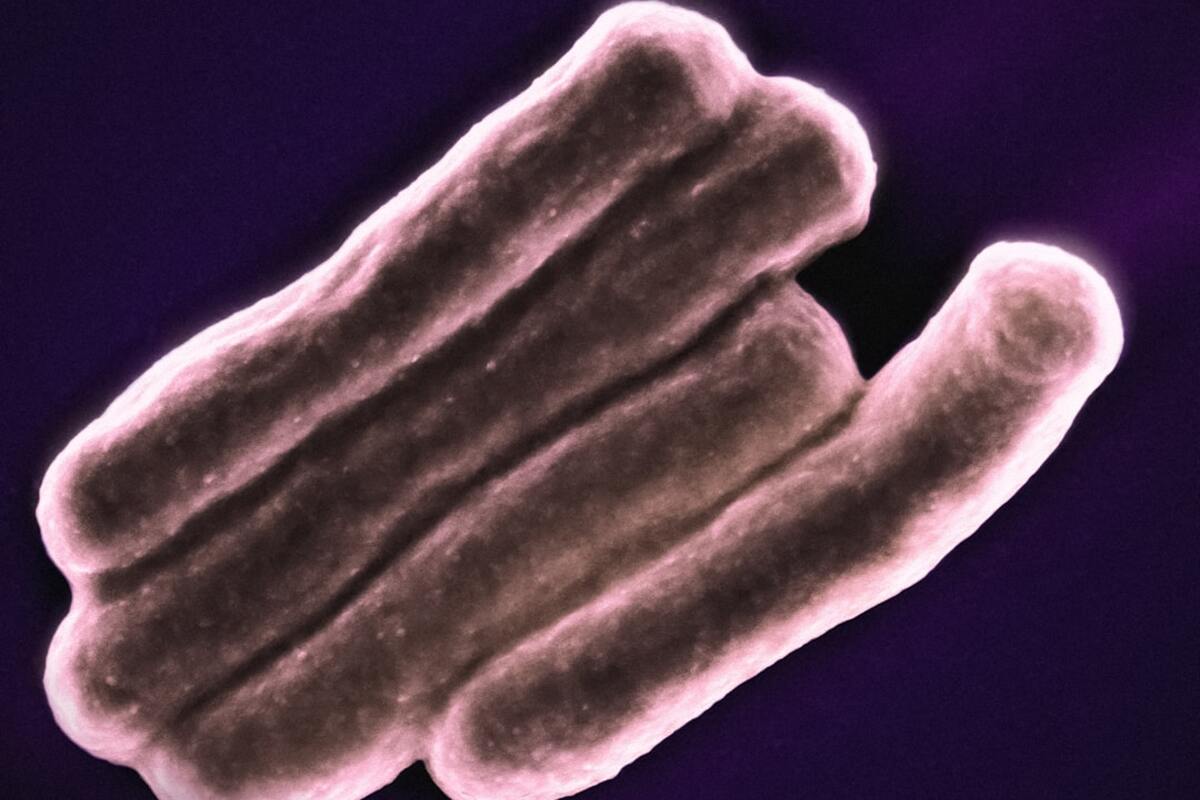
- Microbiome-based therapeutics explore the human microbiome's role in health and disease.
- These therapies promise personalized medicine by tailoring treatments based on individual microbiomes.
- Ongoing research is crucial to understand the microbiome's influence on various conditions.
Understanding Microbiomes: The Body's Hidden Ecosystem
The human microbiome is a vast and complex ecosystem composed of trillions of microorganisms, including bacteria, viruses, fungi, and other microbes, residing in and on our bodies. This intricate network plays a crucial role in maintaining health, influencing digestion, immunity, and even mental well-being. Recent technological advancements, particularly in DNA sequencing, have unveiled the microbiome's impact on human biology, sparking a surge in research dedicated to understanding and harnessing its potential for therapeutic purposes.
One of the primary ways the microbiome influences human health is through its interaction with the immune system. A balanced microbiome promotes immune homeostasis, while dysbiosis, or microbial imbalance, can trigger inflammatory diseases. Additionally, the gut-brain axis highlights how gut microbes communicate with the brain, impacting mood and cognitive functions. These revelations have positioned the microbiome as a target for developing new, personalized medical treatments.

Microbiome-Based Therapeutics: A New Era of Personalized Medicine
Microbiome-based therapeutics represent a groundbreaking approach to personalized medicine, aiming to tailor treatments to an individual's unique microbial composition. This strategy involves modulating the microbiome to restore balance and improve health outcomes. The potential applications are vast, ranging from managing obesity and diabetes to treating gastrointestinal disorders and even cancer.
Several methodologies are being explored in microbiome-based therapies. Probiotics and prebiotics are commonly used to support beneficial bacteria and suppress harmful ones. Fecal microbiota transplantation (FMT) is another approach, where fecal matter from a healthy donor is transplanted into a patient to restore microbial diversity. Furthermore, researchers are developing microbiome-targeted drugs that modify microbial activity to achieve desired therapeutic effects.
Clinical trials are underway to evaluate the efficacy and safety of these innovative therapies. For instance, certain probiotic strains are being tested for their ability to alleviate symptoms of irritable bowel syndrome (IBS), while FMT is gaining traction as a treatment for recurrent Clostridioides difficile infections. These advancements signal a shift in how we perceive and treat various health conditions, emphasizing the importance of the microbiome in disease prevention and management.
Challenges and Future Prospects
Despite the promising potential of microbiome-based therapeutics, several challenges must be addressed to fully realize their benefits. One major hurdle is the complexity and variability of human microbiomes. Factors such as diet, lifestyle, genetics, and environment can influence microbial composition, making it difficult to standardize treatments. Moreover, the long-term effects of altering the microbiome remain largely unknown, necessitating further research to ensure patient safety.
Regulatory and ethical considerations also play a significant role in the development of microbiome-based therapies. Guidelines must be established to govern the use of these treatments, particularly concerning donor screening and the risk of pathogen transmission in FMT. Ethical dilemmas surrounding consent and privacy in microbiome research further complicate the landscape.
Looking to the future, advances in computational biology and artificial intelligence are expected to enhance our understanding of the microbiome and its interactions with the host. These tools will aid in deciphering the vast amounts of data generated from microbiome studies, leading to more precise and effective therapeutic interventions. As research progresses, microbiome-based therapeutics hold the potential to revolutionize personalized medicine, offering new hope for patients with complex and chronic conditions.