The Promise of Organoids: Miniature Lab-Grown Organs Revolutionizing Medicine
Organoids, lab-grown miniature organs, are transforming biomedical research, offering insights into disease modeling, drug testing, and personalized medicine.
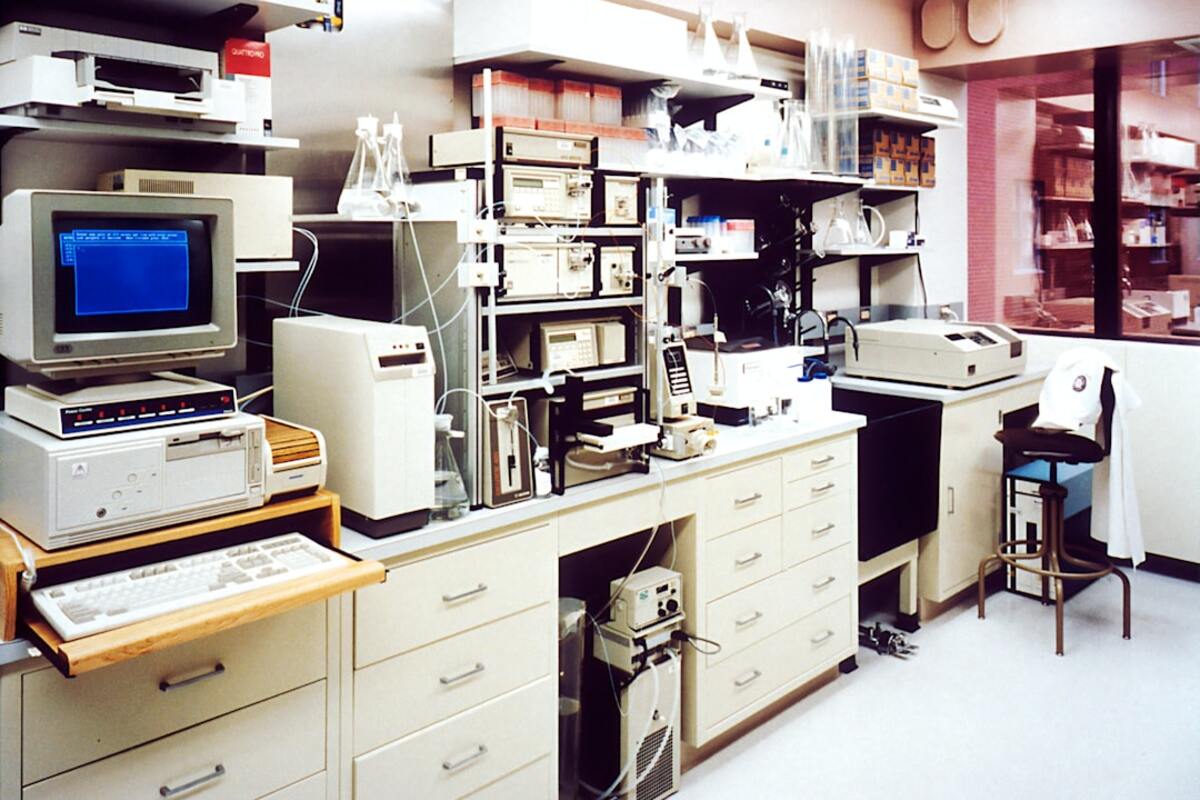
- Organoids are transforming the landscape of medical research with their ability to mimic real organs.
- They offer unprecedented opportunities for drug testing and personalized medicine.
- Challenges remain in scaling production and ensuring reproducibility across different labs.
Understanding Organoids: A New Dimension in Biomedical Research
Organoids represent a groundbreaking advancement in the field of biomedical research. These miniature, lab-grown organs are cultivated from stem cells and have the potential to mimic the complexity and functionality of real human organs. From the liver to the brain, organoids are providing researchers with valuable insights that were previously unattainable with traditional two-dimensional cell cultures.
The concept of organoids isn't entirely new. However, recent technological advancements have significantly enhanced the ability to cultivate these structures, allowing for more accurate modeling of human organ systems. This development is not only revolutionizing our understanding of human biology but is also paving the way for more effective and personalized treatment strategies.

The Potential of Organoids in Disease Modeling and Drug Testing
One of the most promising applications of organoids is in disease modeling. By cultivating organoids that replicate the organ systems of individuals with specific genetic conditions, researchers can observe disease progression and identify potential therapeutic targets in a controlled environment. This approach has already shown promise in various fields, including cancer research, where tumor organoids have been utilized to study tumor behavior and test new treatments.
Drug testing is another domain where organoids are proving to be invaluable. Traditional drug testing methods often rely on animal models or simple cell cultures, which may not accurately predict human responses. Organoids, on the other hand, offer a more physiologically relevant model, potentially improving the efficiency of the drug development pipeline and reducing the likelihood of adverse outcomes in clinical trials.
Challenges and Future Directions
Despite their potential, organoid technology is not without its challenges. One significant hurdle is the scalability of organoid production. To be useful on a large scale, organoids must be produced in a reproducible and cost-effective manner. Additionally, there is a need for standardized protocols to ensure consistency across different research labs, as variability in organoid structures can lead to inconsistent research outcomes.
Furthermore, while organoids can mimic the architecture and function of real organs, they still lack some of the complex interactions present in a living organism. Researchers are working on integrating vascular and immune components into organoid systems to better replicate the in vivo environment.
As these challenges are addressed, the potential for organoids in personalized medicine becomes increasingly tangible. In the future, it may be possible to cultivate patient-specific organoids to test the efficacy and safety of treatments before they are administered, thereby tailoring therapies to individual patients and improving treatment outcomes.
- Organoids provide a three-dimensional model for studying complex biological processes.
- They have the potential to reduce reliance on animal testing, aligning with ethical research practices.
- Continued research and development are essential for overcoming current technological limitations.